Displaying 2791 - 2820 of 17006
-
-
Archive: How a Study of Horseshoe Crabs Led to Safer Joint Replacements
The breakthroughs came as Jack Levin was trying to find out if the cells normally circulating in the horseshoe crab’s blood, called amebocytes, triggered clotting, as platelets do in human blood.

-
Archive: JUUL Delivers Substantially More Nicotine than Previous Generation E-Cigs and Cigarettes
JUUL delivers substantially more nicotine to the blood per puff than cigarettes or previous-generation e-cigarettes and impairs blood vessel function comparable to cigarette smoke

-
Archive: Young Women Still May Be Getting Unnecessary Pelvic Exams
Pelvic examinations and cervical cancer screenings are no longer recommended for most females under age 21, but a new study has found that millions of young women are unnecessarily undergoing the tests.

-
Archive: Bay Area doctors target health consequences of childhood trauma
-
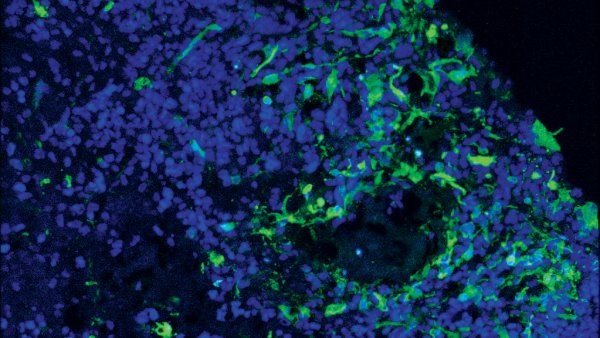
Archive: Brain Organoids Reveal Glioblastoma Origins
UCSF postdoctoral researcher for the first time succeeded in keeping a diverse array of glioblastomas alive in the lab using brain organoids
-
Can Technology Mend Our Broken Minds
Scientists have documented the influence of information overload on attention, perception, memory, decision-making, and emotional regulation. But the same technologies contributing to the cognition crisis could help solve it, argues neuroscientist Adam Gazzaley.

-
The End of Infertility Is in Sight
Advances in medicine and public health have dramatically extended the lifespan of hearts, lungs, and other vital organs. But for women, the ovaries remain a stubborn exception. That may soon change, says fertility expert Marcelle Cedars.
-
How Scientists Might Tame Cancer
Basic scientist Zena Werb, who has studied cancer cells in UCSF labs for more than four decades, shares her take on the future of cancer medicine.

-
AI Will Give Your Doctor Superpowers
Artificial intelligence manages our phones and homes, helps us navigate, and advises us what to watch, read, listen to, and buy. Soon it will transform our health, says trauma surgeon and data-science expert Rachel Callcut.
-
Aging Is Not Optional. Or Is It?
With the global population of seniors projected to reach 1.5 billion by 2050, it will be more important than ever to reduce the burden of age-related disease. In the future, science will allow us to intervene in the aging process to make this a reality, according to geriatrician John Newman.

-
Archive: Study Might Point Alzheimer's Research in Whole New Direction
-
Will Gene Editing & Brain Implants Change the Meaning of Being Human?
We are entering an era of brain-machine interfaces and genome-editing technology. When we can govern the very biology that makes us who we are, what will it mean to be human?
-
Who Will Benefit From Precision Medicine?
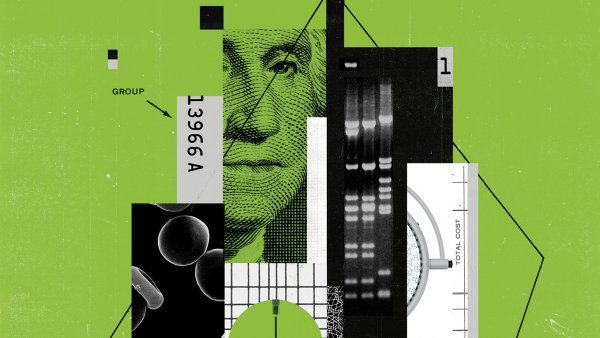
A future in which precision medicine benefits everyone is not guaranteed. For that to happen, UCSF experts argue, the health care industry must first tackle today’s health disparities, including differences in disease outcomes and access to care based on race, gender, and socioeconomic status.
-
Archive: Alzheimer ‘Tau’ Protein Far Surpasses Amyloid in Predicting Toll on Brain Tissue
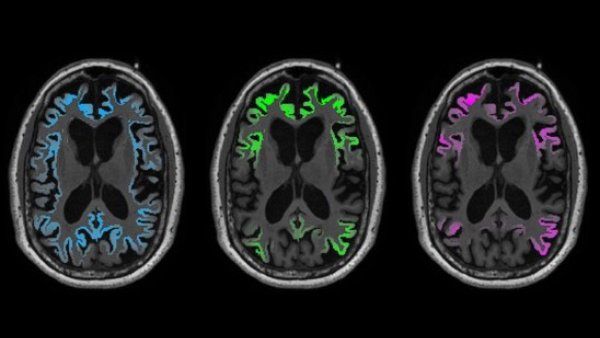
Brain imaging of pathological tau-protein reliably predicts the location of future brain atrophy in Alzheimer’s patients a year or more in advance.
-
Archive: Pharmacies Leave Customers Hanging When It Comes to Disposing of Antibiotics and Opioids
A survey found that fewer than half of California pharmacies provided antibiotics and opioids disposal instructions meeting U.S. FDA guidelines, and just 10 percent followed the FDA’s preferred recommendation to take back unused medications from their customers.

-
Archive: The severe health effects of family separations at the US-Mexico border
-
Archive: Mothers, Babies Overlooked in the Drug Crisis
-
Archive: Make 2020 the Year of Less Sugar
-
Archive: UCSF leads national research on ‘deprescribing’ patients taking too many meds
-
Archive: Skin-Lightening Cream Could Cause Nerve Damage, CDC Report Warns
-
Archive: Barring Nonmedical Exemptions Increases Vaccination Rates, Study Finds
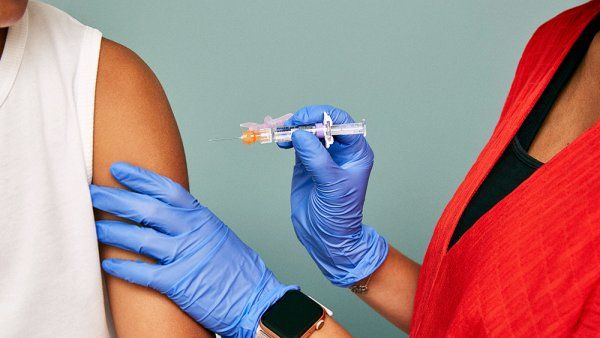
The first rigorously controlled study of a 2016 California law that aimed to increase childhood vaccination rates by eliminating nonmedical exemptions has found the law worked as intended.
-
What Will Health Look Like in 2050?
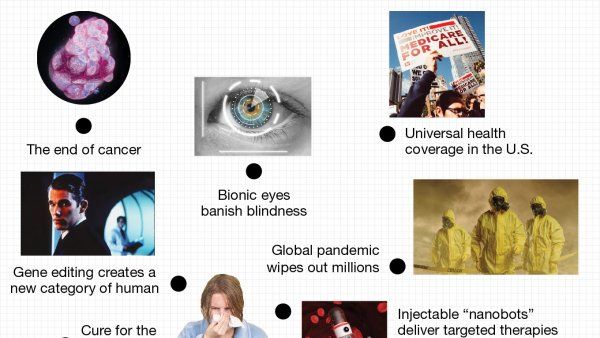
No one can see the future, but that won’t stop us from trying. We asked UCSF faculty and alumni to score these predictions for likelihood and impact.
-
Archive: How SFO is working to make flying easier for seniors
-
Archive: Bay Area Patients Stung By Unapproved Stem Cell Treatments As FDA Looks To Clamp Down
-
Archive: Buyers Beware: Skin-Lightening Cream Could Cause Neurological Damage
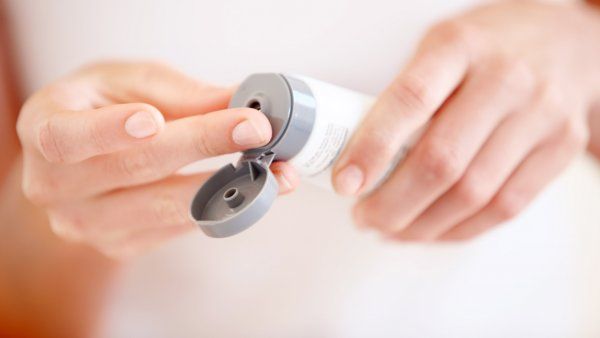
A skin-lightening cream from Mexico has been found to have had a devastating effect on the central nervous system due to its highly toxic mercury levels, according to a UCSF-led report on a patient who remains unable to care for herself months after ceasing use of the product.
-
Should You Take a Direct-to-Consumer DNA Test?
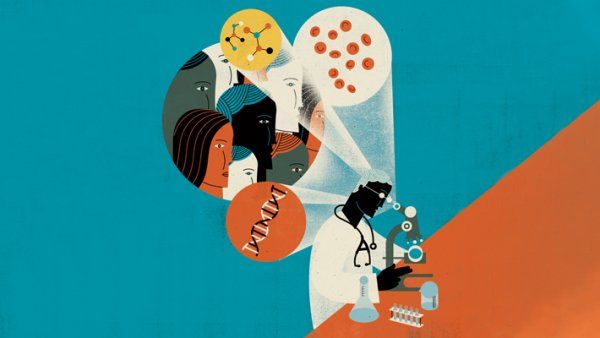
With the rise of “direct-to-consumer” DNA tests, investigating your genes is easier than ever. But taking one of these tests may not be right for you, says UCSF professor Kathryn Phillips, PhD, who studies new health care technologies.
-
Archive: Old Drug Offers New Hope for Children with Devastating Disorder
A drug that once helped obese adults lose weight, but was withdrawn from the market due to heart risks, may be safe and effective for children with a life-threatening seizure disorder called Dravet syndrome.

-
Archive: UCSF to Preserve LGBTQ History Collections
UCSF Archives and Special Collections was awarded a $14,986 local assistance grant by the California State Library for the “Documenting the LGBTQ Health Equity Movement in California” project.

-
Health Care is Going Green
The health care sector accounts for as much as 10% of the U.S. carbon footprint and 5% globally, according to recent studies. This sobering statistic has an upside: It means that changes in the industry can play a major role in addressing the climate crisis.