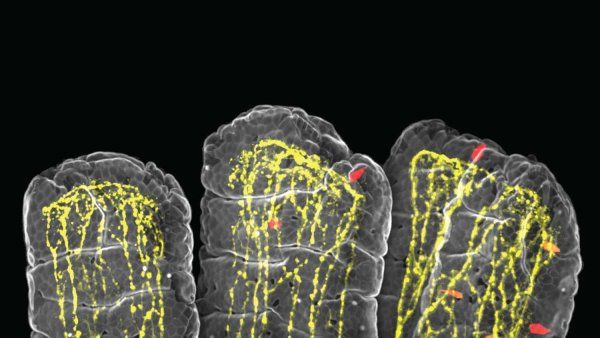
No Brain Required: This Is How the Single-Celled “Stentor” Learns
A team of researchers discover how the <i>stentor</i>, an organism made of a single, gigantic cell, learns without a brain.
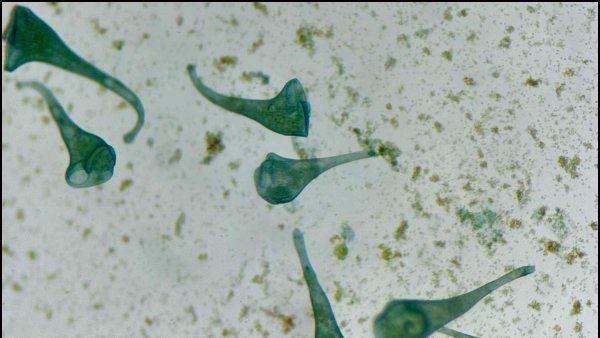
University of California San Francisco

A team of researchers discover how the <i>stentor</i>, an organism made of a single, gigantic cell, learns without a brain.
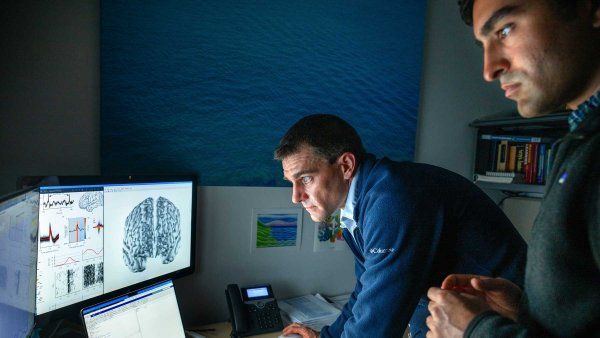
Epilepsy physicians Jon Kleen and Eddie Chang used high-resolution technology to see how cognition is disrupted in people with epilepsy and predict when it will occur. The new view points the way to being able to fend of these disruptions.
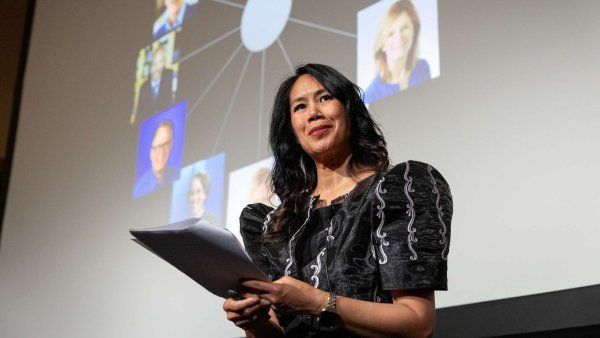
A UCSF professor explores the value of time and connection, urging a shift from career checklists to genuine human care in this annual talk.
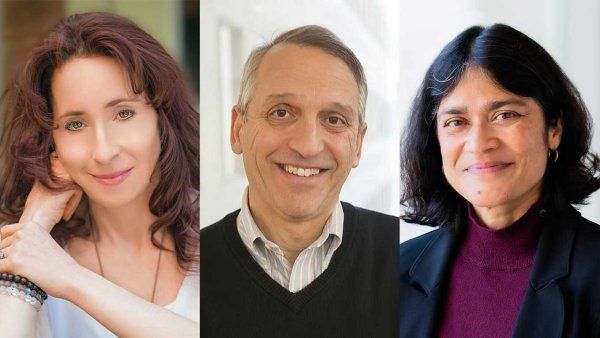
The American Association for the Advancement of Science, one of the world’s largest general scientific societies and publisher of the Science family of journals, named three UCSF faculty to the 2025 class of AAAS Honorary Fellows: Elissa Epel, Geeta Jayant Narlikar, and Donald Emil Ganem (emeritus).
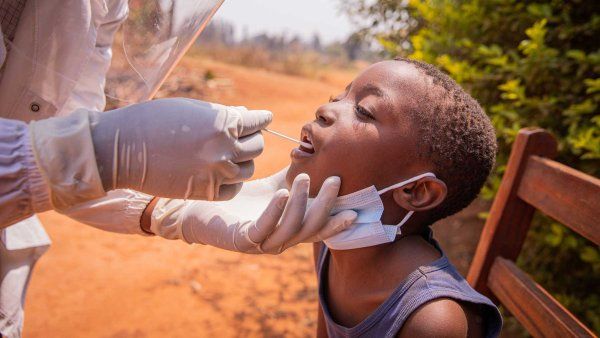
A global team of scientists and clinicians found that a cheap, easy-to-use test for tuberculosis was just as good, if not better, at detecting disease than existing tests, shortening time to a diagnosis from days to just 15 minutes.
Discover how SF became the first city to use doxycycline to drop STI rates by up to 24%. UCSF experts explain the impact of doxy-PEP.
Newsweek names UCSF Health a top hospital for maternity care and reproductive care.
UCSF's Cherry Leung, associate professor of community health systems with the UC San Francisco School of Nursing, researches the gut-brain axis as a potential adjunct therapy for improving adolescent mental health.
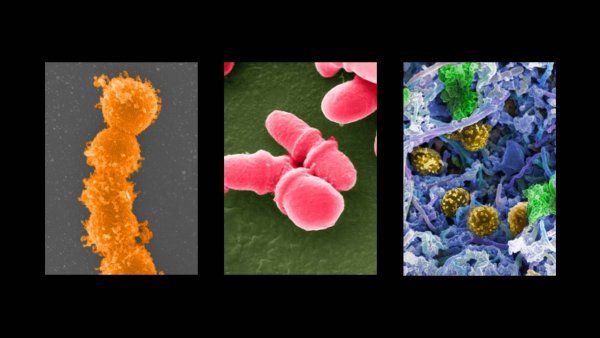
Freeze-dried human platelets could be used as a "molecular tourniquet" for brain bleeds in the minutes to hours after a traumatic brain injury, according to a UCSF team led by Shibani Pati. The scientists envision stocking ambulances and EDs with the product.

Rushika M. Perera, the Deborah Cowan Professor and vice chair of the Department of Anatomy, and chief scientific officer of UCSF’s Pancreas Center, shared her insights on pancreatic cancer on April 16 when she presented the 2026 Byers Award Lecture in Basic Science.
The Building Bridges: Hospital to Home program provides housing and wraparound social services for families with children who are being or were treated in the Neonatal or Pediatric Intensive Care Units at UCSF Benioff Children's Hospital Oakland.

UCSF BCH Oakland is partnering with Oakland Housing Authority and Alameda Alliance for Health on a new initiative that provides housing to families with children in the PICU and NICU at very reduced rent, so they can easily visit their children while they are in hospital and/or get them to medical appointments.
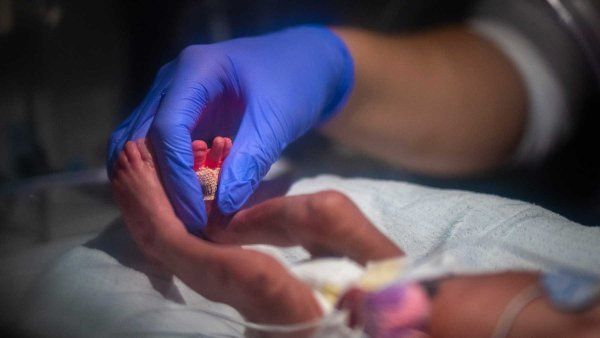
In recognition of “National Healthcare Decisions Day,” the “PREPARE for Your Care” program at UC San Francisco is making it easier for clinicians to remind their patients of the importance of planning
UCSF research led to the first type 1 diabetes immunotherapy. Now, scientists are using stem cells and Tregs to find a functional cure.
Ten UCSF graduate students presented their research in accessible, 3-minute talks at the 2026 Grad Slam event. This year’s first-place talk was by Brandon Corteau on how HER2 and HER3 can become a toxic power couple when paired together, and lead to the development of breast cancer.

A policy paper argues that diagnostics are critical to modern medicine, but weak policies and low investment hold back their development and use.
Cardiology experts from UCSF Health presented new research and clinical findings at the American College of Cardiology’s (ACC) Annual Scientific Session and Expo in New Orleans, March 28 to 30. The
A new study by UCSF researchers who mapped the maternal-fetal interface, which is the boundary where the mother's uterus and the developing baby's placenta meet, has yielded some surprising findings with potential public health consequences.
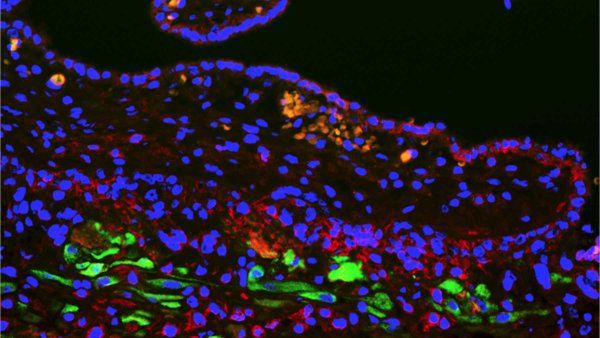
UCSF research shows psychedelics like psilocybin may treat depression, Parkinson’s, and addiction, offering new hope in clinical trials.
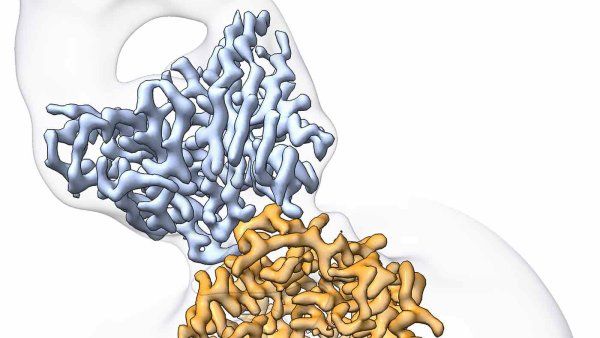
Rajiv Sethi, MD, PhD, has been appointed chief of the UCSF Division of Orthopaedic Spine Surgery, one of the nation’s premier spine programs. He has also been named co-director of the UCSF Spine
UCSF researchers are studying how climate change fuels toxic algal blooms, partnering with global and tribal communities to monitor health risks and protect food security.
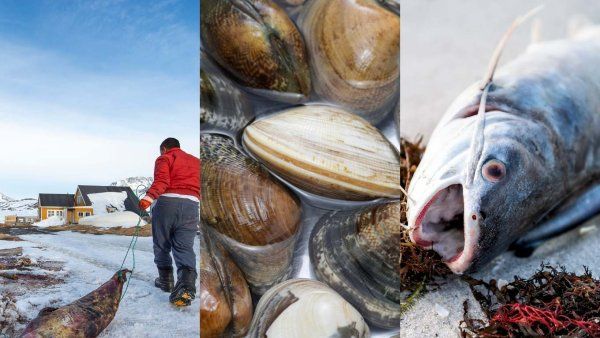
Researchers discover that the nerve cells that make us uniquely human are also uniquely vulnerable to dying during the waves of inflammation that occur in multiple sclerosis.
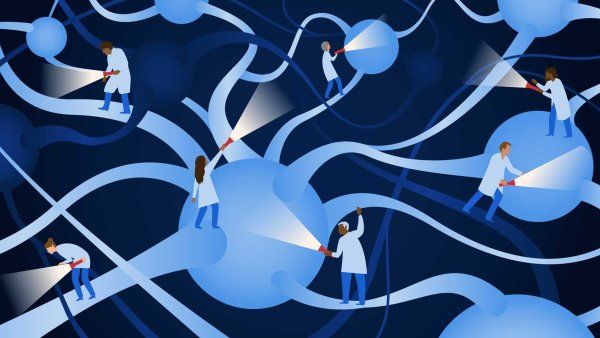
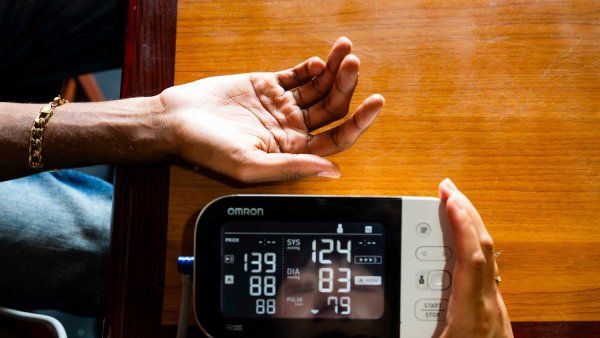
A special program developed by the University of California Health system and adopted at all six UC academic medical centers has been effective in reducing hypertension in patients and could be used by other health systems looking to standardize chronic disease care.
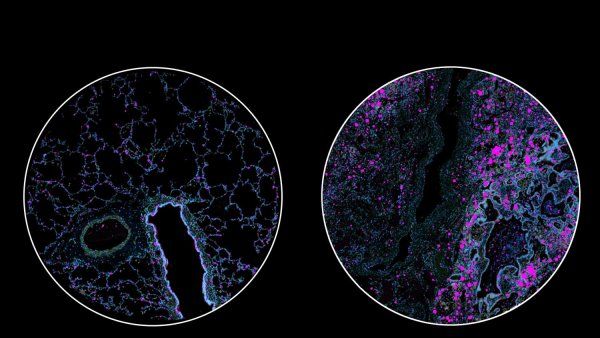
Why are the elderly so much more likely to get sick and hospitalized for pneumonia and COVID? UCSF scientists found that old lung cells overreact to infections, inviting immune attack and runaway inflammation.
Forty-four UC San Francisco scientists have been named to the annual list of most “Highly Cited Researchers” for 2025 by the analytics company Clarivate.
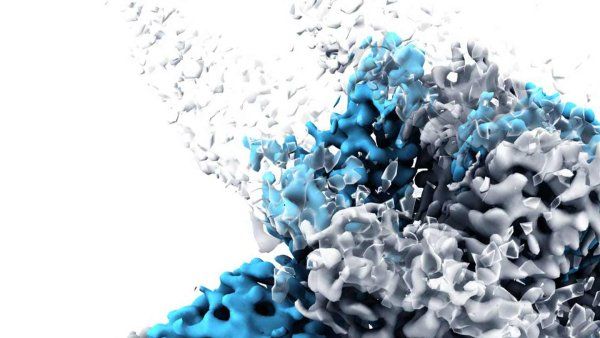
TRPM8, a key cold-sensing protein in nerve cells, activates to send “cold” signals to the brain when exposed to low temperatures or cooling sensations like menthol. New research from UCSF reveals how TRPM8 changes shape in response to cold, offering insights into cold sensitivity, pain conditions, and why birds are less sensitive to cold than mammals.
A new study traces the molecular pathway connecting the gut immune system to the brain during a parasitic infection, explaining how the immune system triggers a loss of appetite.