Showcasing Art That Celebrates Creativity and Healing Amid Cancer
For patients facing life-threatening illnesses, art can be a lifeline. See how UCSF’s Art for Recovery program — recently featured at SFMOMA — helps patients express what words can’t.
University of California San Francisco

For patients facing life-threatening illnesses, art can be a lifeline. See how UCSF’s Art for Recovery program — recently featured at SFMOMA — helps patients express what words can’t.
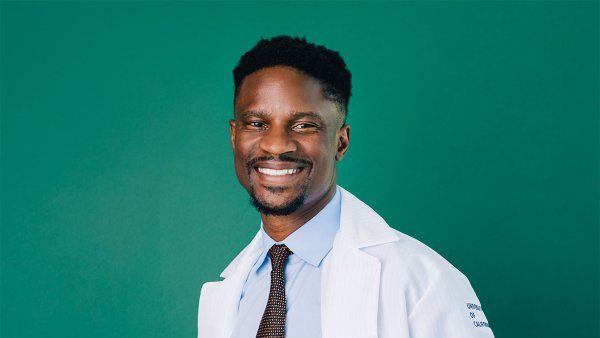
Akinyemi Oni-Orisan, PharmD, PhD, is using genetics to help end the guesswork in prescribing.
OpenADMET, helmed by Jaime Fraser, will receive funding from the OpenAI Foundation in pursuit of an efficient, affordable, open system for screening thousands of drugs for their ability to safely traverse the body to treat disease. This transit of drugs in the human body is often where new drugs fail in clinical trials.
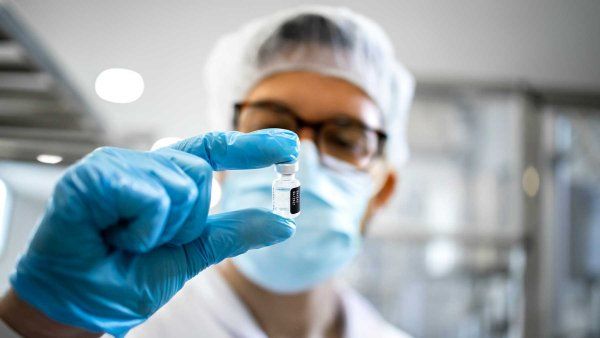
Your skin reveals more than you’d think. UCSF researchers are using it to catch cancer earlier and decode diseases throughout the body.
“The public is being fed information about testosterone that is incomplete.” Two UCSF specialists bust the myths politicians and influencers won’t.

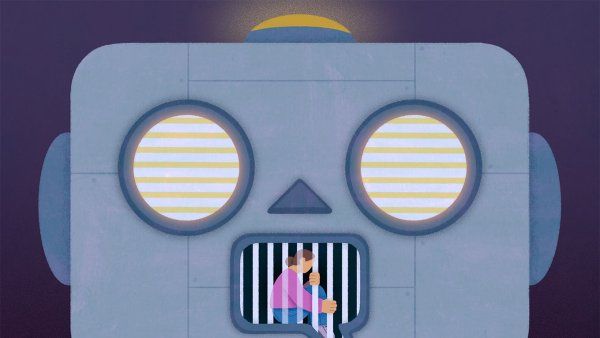
A UCSF psychiatrist explains what’s really going on with chatbots and mental health.
Boomers are retiring from health care just as their own medical needs rise. A UCSF health economist unpacks the shortage and what it will take to fix it.

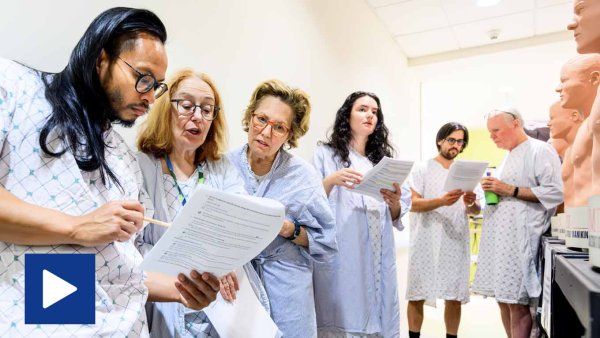
Before students face real patients, they face trained actors. Watch how UCSF’s standardized patients help prepare the next generation of clinicians.
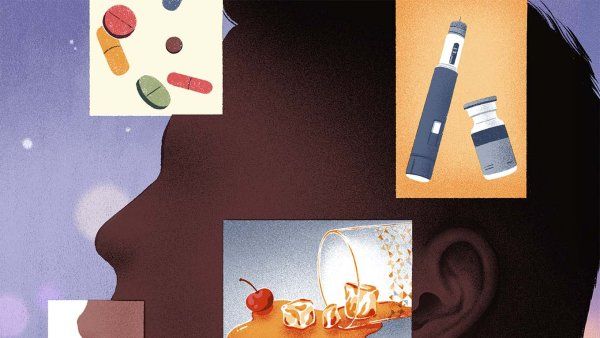
GLP-1 drugs are known for weight loss. UCSF researchers are testing whether they also dial down alcohol and opioid cravings.
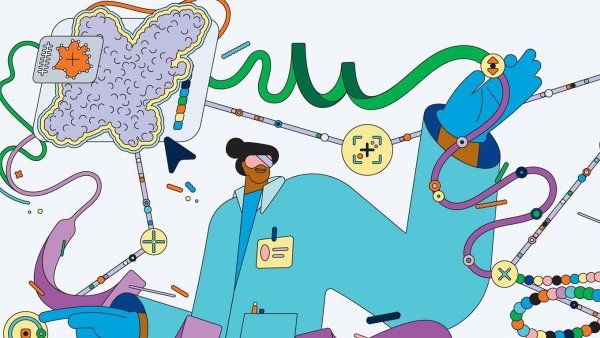
“Humans can't design proteins.” That’s what one scientist was told. Decades later, UCSF labs are doing exactly that — with AI.
“How are we going to save victims of cardiac arrest if we don’t know which ones are really cardiac?” A UCSF cardiologist’s 15-year investigation is upending what we thought we knew about sudden death.
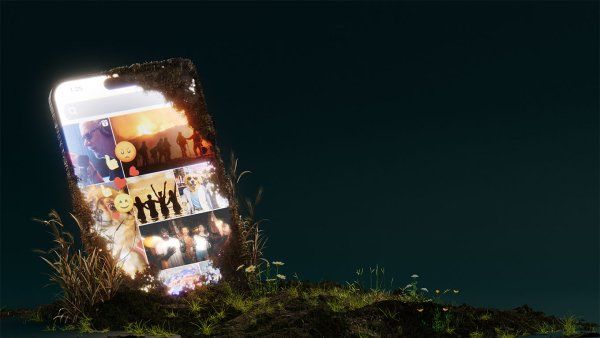
“The cognition crisis is not just a clinical problem. It’s a problem for our species.” UCSF scientists on what screens are doing to our minds — and how to get your focus back.
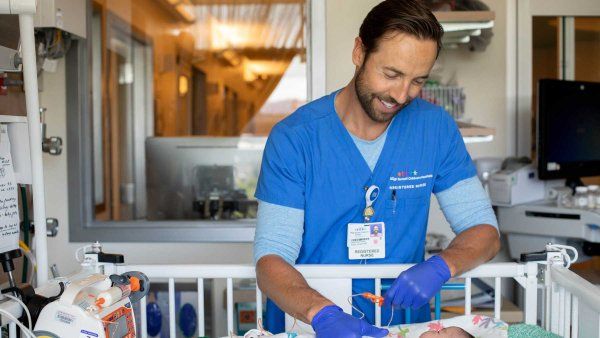
UCSF Benioff Children’s Hospitals earned its strongest-ever showing in the 2026-27 U.S. News Best Children’s Hospitals rankings, tying for best in Northern California, with all specialties nationally recognized and four ranking in the top 10.
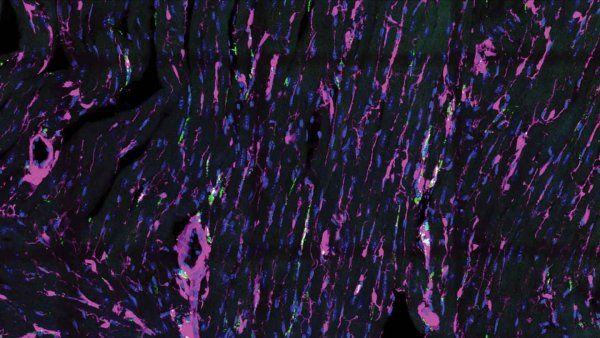
UCSF researchers discover how some of our hardest-working organs stay healthy: by recruiting immune macrophages to dispose of spent batteries (mitochondria) while heart/muscle/fat cells burn energy.
UC San Francisco study data was instrumental in today’s approval by the Food and Drug Administration (FDA) of a PET imaging agent that helps physicians evaluate gliomas, a form of brain cancer.The

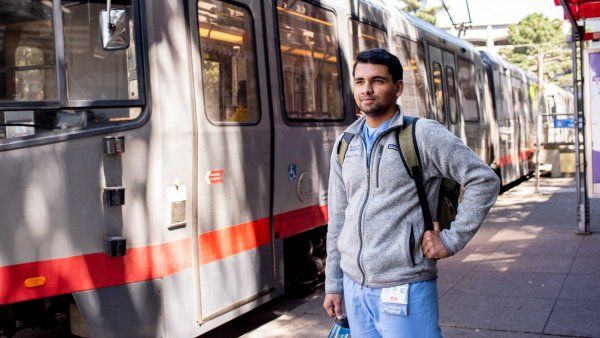
UCSF is expanding Clipper BayPass to 36,000 employees and students, offering affordable, unlimited public transit across 24 Bay Area bus, rail and ferry services.
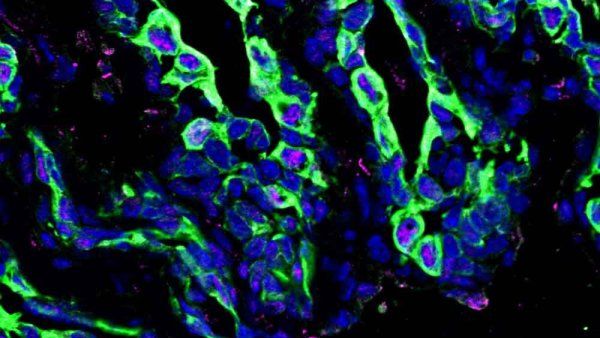
Valerie Weaver's team discovers why stiff tissue is a risk factor for breast cancer: it spurs immune cells to release DNA-damaging chemicals, which cause the mutations that ultimately lead to cancer.
A UCSF-developed program that integrates behavioral health support for children and caregivers into routine pediatric care is poised to extend across California with a $17 million investment from the
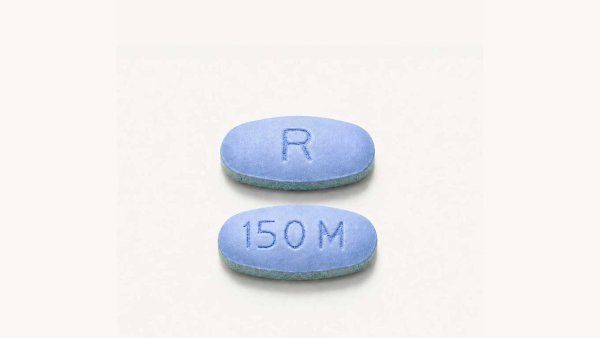
Andrew Ko, who led UCSF's trials of daraxonrasib based on discovery science, tells what to know about the medicine, the science behind it and what it means for patients. . On the heels of the drug's FDA approval, he
UCSF researchers helped test the first personalized mRNA cancer vaccine shown to prevent melanoma from returning or spreading, marking a breakthrough in cancer treatment.
Jason Nagata, MD, MSc, discusses the health dangers of excessive social media use on the health of children, in response to an August 2026 announcement of a $17.1 billion settlement regarding children and teen addiction to their platform.

An international research network led in North America by UC San Francisco (UCSF) has received a $9 million award from the Leducq Foundation, a cardiovascular research funding organization, to uncover
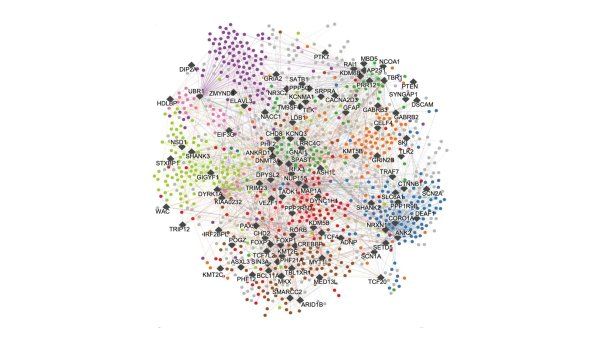
A study by Nevan Krogan and Matt State reveals protein interactions in the brain that are relevant to autism and epilepsy.

The UCSF Quantitative Biosciences Institute (QBI) has received a significant grant to fund autism-related research.