
The Skin: Visible Clues to Disease
Here are nearly a dozen ways UCSF researchers are using the skin to detect cancer earlier, decode immune diseases, and reveal how conditions throughout the body show up on its surface.
Image
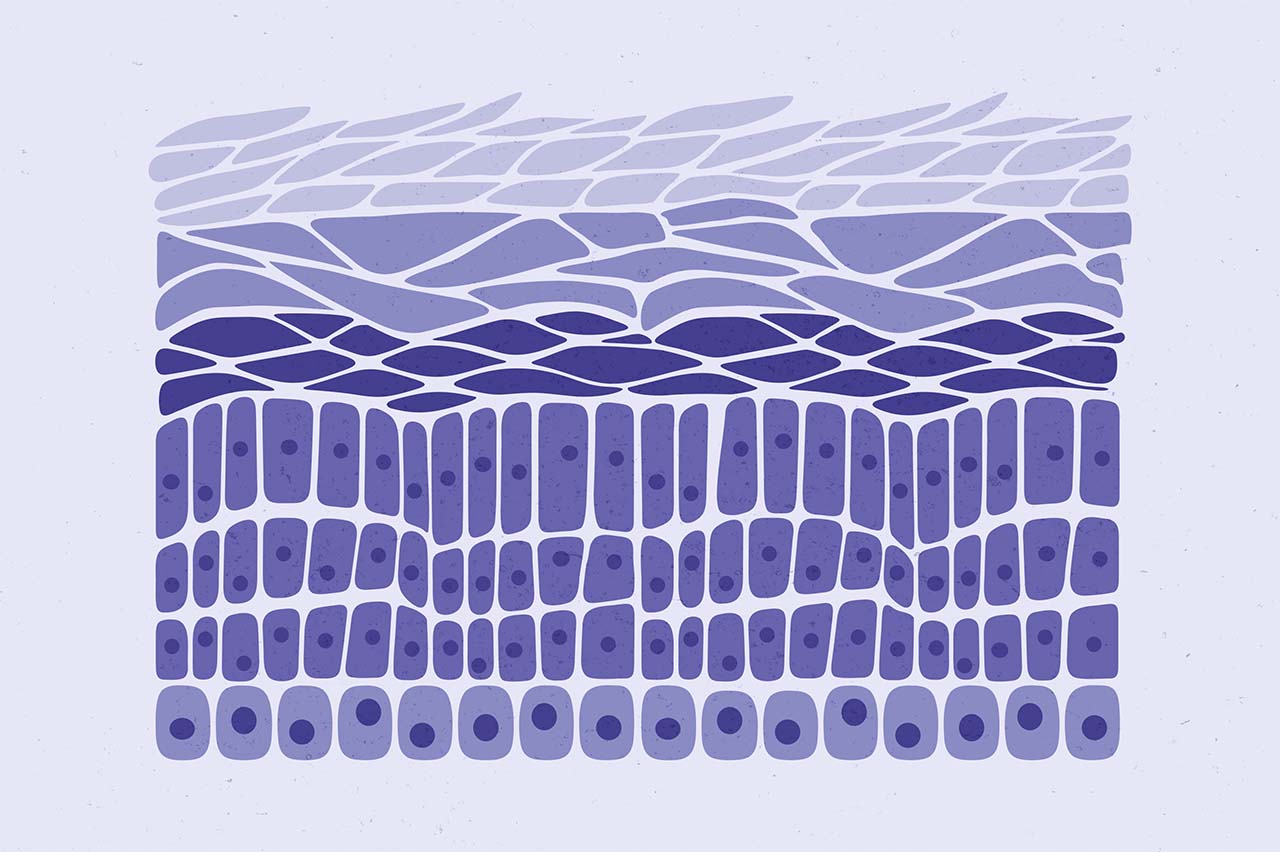
Aging cells may help heal
Some senescent cells — long associated with aging — are actually present in young, healthy skin, where they can help repair damaged tissue.
Gut trouble, skin trouble
Researchers have found that gut inflammation can drive skin disease even without changes to the skin microbiome, revealing a direct immune link between our innards and our skin.
When wildfire smoke hits the skin
In a first-of-its-kind study, researchers found that heavy wildfire smoke is linked to increased clinic visits for eczema and itchy skin, suggesting that pollution can trigger flares outside the lungs.
Cancer risk beyond sunlight
In a UCSF study, women with higher exposure to PFAS “forever chemicals” had greater odds of being diagnosed with melanoma, suggesting there are environmental risks beyond ultraviolet (UV) exposure.
An itch that controls inflammation
Itch-sensing neurons, it turns out, don’t just trigger scratching — they also help regulate inflammation, revealing that they play an unexpected role in immune control.
A smarter way to read a rash
Developed at UCSF, RashX is a molecular profiling tool that matches a patient’s genetic data to a database of known skin diagnoses, helping clinicians differentiate between similar conditions like psoriasis and eczema with greater precision.
Seeing what others miss
Dermatologists are working to ensure that conditions like melanoma and inflammatory rashes are caught just as early in people with darker skin tones, who have historically been diagnosed later, delaying treatment.
Closing in on a long-overlooked disease
UCSF’s HS PROGRESS registry is tracking patients with a condition called hidradenitis suppurativa to better understand this painful, inflammatory skin disease, which often goes undiagnosed for years.
Eczema & asthma, linked
New work is uncovering shared immune pathways in eczema and asthma, raising the prospect of treatments that could address inflammation across organs.
A research trove
UCSF holds one of the world’s largest and most diverse collections of melanoma tissue samples, giving researchers a rich resource to study how such tumors grow, spread, and often evade treatment.
The hidden cost of a tan
In tanning bed users as young as their 30s, researchers found more cancer-linked genetic mutations than in nontanners twice their age — evidence that artificial UV radiation ages skin far faster than the passage of years.