12 Ways UCSF Is Exploring the Mouth
Image
The mouth is a powerful lens on overall health and disease. Researchers at the School of Dentistry and elsewhere at UCSF are uncovering its wide-ranging roles — from early cancer detection to its microbiome’s surprising influence on immunity and pregnancy.
Building Blocks of Teeth
Enamel’s hidden architects
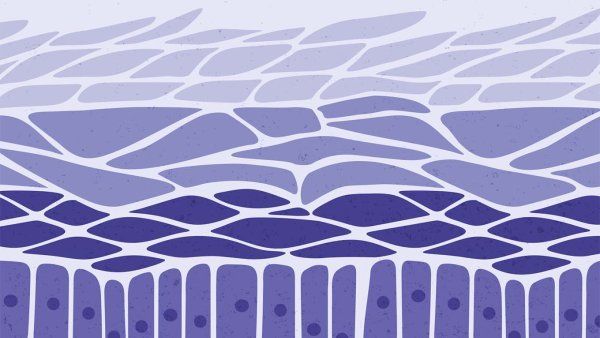
Specialized cells called ameloblasts sculpt tooth enamel’s crystalline structure. Scientists are investigating how genetic, environmental, or developmental factors can disrupt enamel formation and how the process might one day be reactivated to regenerate damaged enamel.
Stress etched in baby teeth
Baby teeth serve as biological time capsules of early-life stress. Using laser-guided imaging, scientists have found that enamel disruptions line up with periods of childhood adversity, clues that may help predict later health outcomes.
Genes and cavities
Scientists have identified a gene variant that makes some people more vulnerable to developing cavities. This knowledge is helping shape personalized prevention strategies, from tailored fluoride use to early protective care.
Blueprints of cleft origins
During fetal development, facial tissues like the lip and palate grow and fuse. Using live imaging, genetics, and stem-cell models, researchers are studying how cell signals guide this process — and what goes wrong to cause clefts. Their insights could point to new ways to prevent or treat cleft conditions.
Mouth-Body Connections
When immunity meets the oral microbiome
Communication between the oral microbiome and the immune system may help predict — and influence — the onset of oral cancer. Researchers are showing how shifts in immune signaling can trigger microbial changes that raise cancer risk.
Surprising clues about preterm birth
The oral microbiome may influence the onset of early labor. Researchers are investigating how microbes shared between mothers and preterm newborns affect immune responses before birth.
New tools for gum disease
Periodontitis affects about 40% of U.S. adults, yet current treatment still relies mainly on deep cleaning and antibiotics. Scientists are identifying healthy microbes that suppress harmful ones, paving the way for advanced probiotics or therapeutic mouthwashes.
Cancer Clues and Care
A cancer-fighting mouthwash?
UCSF is testing whether swishing with nisin — a common food preservative — after oral surgery can calm inflammation, reshape the microbiome, and reduce oral cancer recurrence.
More mobility after cancer
Radiation therapy can limit jaw mobility. UCSF is piloting a smart stretching device with built-in sensors that track pressure and jaw movement, giving feedback to gently improve comfort and range of motion for oral cancer survivors.
Catching cancer early
Oral cancers are far easier to beat when caught early, but screenings are often late or uneven in their reach. UCSF community clinics are piloting rapid saliva tests that flag cancer-linked molecular changes before symptoms appear.
Restoring Function
Reviving saliva
Damage to the salivary glands — from cancer treatment or disease — can cause lasting dry mouth. Researchers are testing ways to reawaken stem-like cells in the salivary glands to restore natural saliva production.
Orthodontics for better sleep
Orthodontists are showing that widening a child’s narrow palate can improve airflow, shrink airway-blocking tissues like tonsils and adenoids, and boost sleep quality — an orthodontic treatment with whole-body benefits.