Five Questions for Kole Roybal
Image
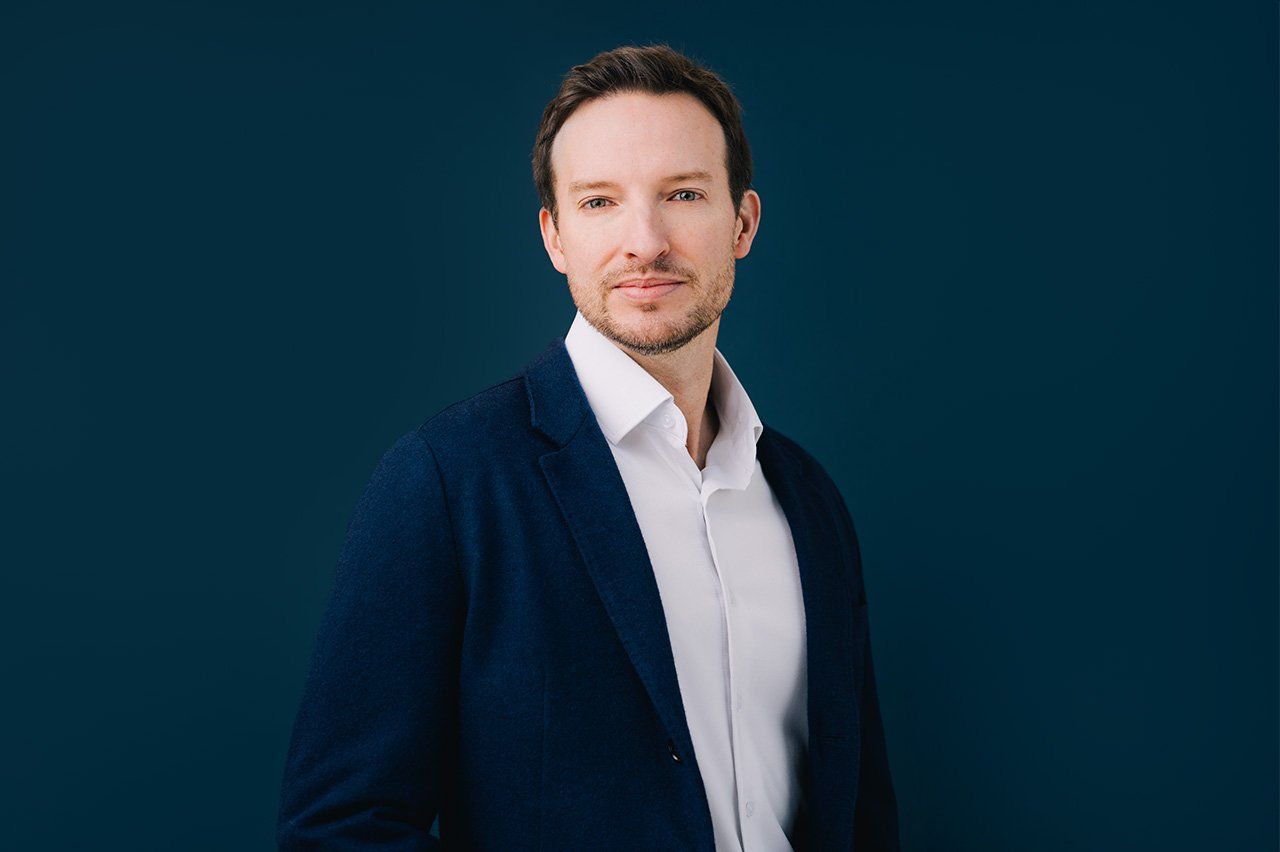
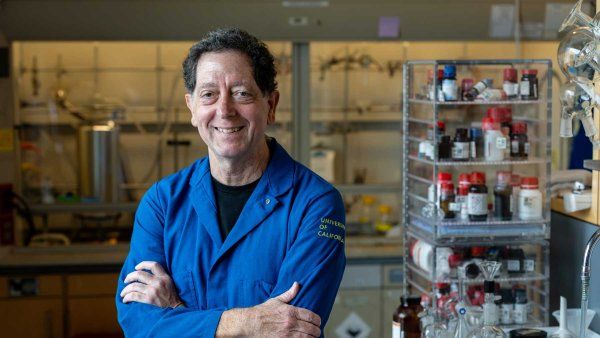
Kole Roybal, PhD, is reimagining how immune cells fight solid tumors. At the new Weill Cancer Hub West, a UCSF-Stanford collaboration, he is using artificial intelligence and patient data to design smarter therapies for the toughest cancers.
With so many organizations focused on cancer research, what sets the Weill Cancer Hub West apart?
We’re bringing together top cell and immunotherapy experts from UCSF and Stanford in a fully integrated hub. With shared funding, coordinated goals, and close collaboration across institutions, we can help turn discoveries into therapies more quickly. While it usually takes three to five years for a new therapy to reach clinical trials, we aim to shorten that to about two years, allowing faster testing, iteration, and delivery of life-changing treatments.
You are co-leading PROMISE, which has been described as a “big idea” project. What’s the goal behind it?
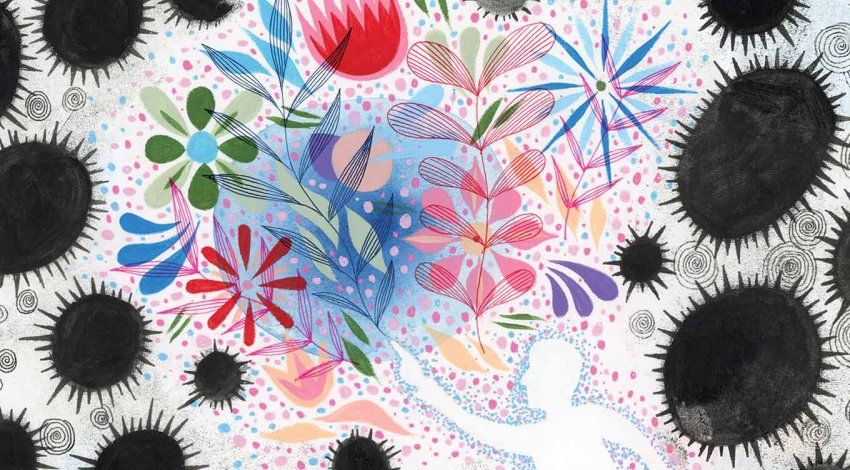
Engineered cell therapies can be life-changing, sometimes curing patients who have exhausted all other options. So far, they’ve worked mainly for blood cancers, while solid tumors like brain, pancreatic, and ovarian cancers remain more difficult to treat because these tumors create physical and immune barriers that prevent therapeutic cells from reaching and effectively attacking them. The PROMISE team aims to change that.
How are you using patient data and AI to combat solid tumors?
We reprogram a patient’s T cells to recognize and attack their tumor, then study how those cells behave in the patient. By analyzing a patient’s data with AI and other high-throughput tools, we can see what is and isn’t working and tweak the T cells accordingly. This creates a continuous design-and-test loop, letting us refine the therapy for each individual patient.
Why is this a pivotal moment for cancer immunotherapy?
We have the talent, technologies, and clinical insights to create the next generation of therapies. And yet, the field is facing skepticism after several high-profile clinical trials failed to deliver, and the industry has pulled back following costly setbacks. If we can achieve truly transformative clinical results — and I think we can — we may restore the momentum of the entire field. Today’s tools help us understand and engineer T cells by predicting which changes make them more effective, longer-lasting, able to multiply, and better at killing tumor cells.
What inspires you to take on such ambitious science?
Cancer has become more and more real to me over the years, through patients I’ve treated and friends who’ve faced devastating diagnoses. But I’m driven by the chance to work at the edge of what’s known, and I love building strong teams to tackle truly meaningful problems. I believe we can deliver therapies faster and have a real impact on people’s lives.