Displaying 1801 - 1830 of 17005
-
-
What Does a Faint Line on Your COVID Antigen Test Mean?
-
Seasonal Allergies in the Bay Area May Get Worse – And Affect More People. Here’s Why
-
A New Study Says COVID-19 Can Cause Dementia. How Real Is the Risk?
-
Lifesaving COVID Drugs Are Sitting Unused on Pharmacy Shelves, HHS Data Shows
-
Global Efforts To Get Widespread Plastic Pollution Under Control
-
Excessive Napping Could Be a Sign of Dementia, Study Finds
-
Extended Napping in Seniors May Signal Dementia
Daytime napping among older people is a normal part of aging – but it may also foreshadow Alzheimer’s disease and other dementias.

-
Doctors Often Turn To Google Translate to Talk to Patients. They Want a Better Option
-
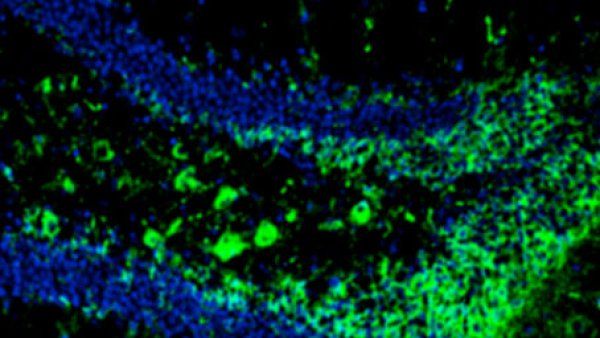
When It Comes to Sleep, It’s Quality Over Quantity
Not everyone needs 8 hours of sleep, say UCSF researchers. Some lucky people are “elite sleepers,” packing sleep’s benefits into 4 to 6 hours a night. Their genes may hold clues to how efficient sleep can fend off dementia.
-
UCSF Task Force Examines the Mental Health Impacts of Climate Change
-
Prenatal Mindfulness Program Improves Stress Response in Infants
A first-of-its-kind study showed that a prenatal mindfulness program linked to healthier stress response in babies as well as less depression and better glucose tolerance in mothers.

-
S.F. Homeless Deaths More Than Doubled During the Pandemic’s First Year – But Not Because of COVID
-
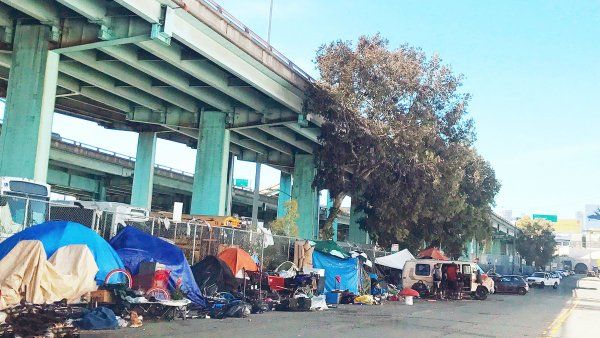
Homeless Deaths Doubled in San Francisco During the Pandemic’s First Year, Mostly from Drug Overdoses
More than twice as many people experiencing homelessness in San Francisco died during the first year of the COVID-19 pandemic compared to previous years, with the leading cause of death being drug overdose. No deaths were attributed to the virus itself.
-
Americans Are Stuck in Unhealthy Pandemic Habits. Here’s How to Reboot
-
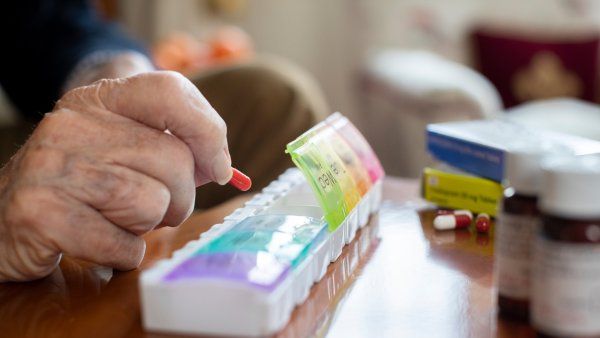
Seniors with Memory Issues Take Multiple Medications, but Most Are Willing to Cut Down
55% of seniors with dementia take more than six medications even though most have good health. However, a UCSF study showed that 87% are willing to cut down if their doctors agree.
-
Treating Tough Tumors by Exploiting Their Iron ‘Addiction’
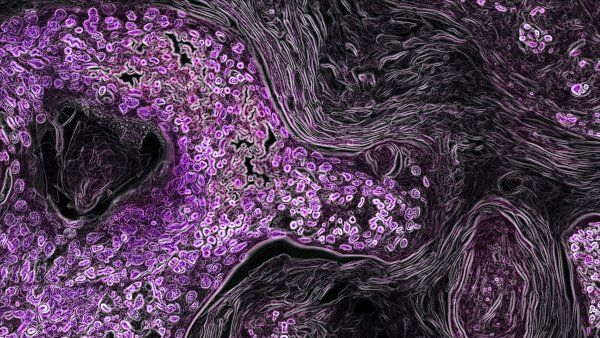
UCSF researchers successfully leveraged an FDA-approved drug to halt growth of tumors driven by mutations in the RAS gene, which are famously difficult to treat and account for about one in four cancer deaths.
-
2 Months Ago, He Said the Omicron Surge Could Fade Fast. To His Surprise, It Has
-
Using AI in Electrocardiogram Analysis Can Improve Diagnosis and Treatment of Hypertrophic Cardiomyopathy
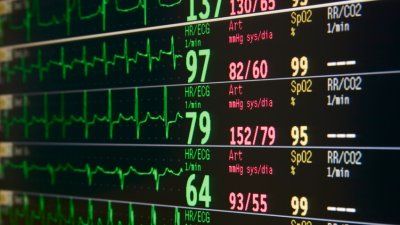
Using AI in ECG analysis improves diagnosis, treatment and monitoring of hypertrophic cardiomyopathy, a leading cause of sudden death in adolescents.
-
How UCSF’s Data Science Team Took on COVID
-
COVID-19 May Be Linked to Spontaneous Psychosis. Researchers Are Trying to Figure Out Why
-
UCSF Doctor Explains How Biden’s ‘Test to Treat’ COVID Initiative Will Work, Why It’s Not Simple
-
One in Seven Women Receiving Mammogram ‘Overdiagnosed’ With Breast Cancer
-
Alone and Lonely Are Not the Same. How To Feel Connected No Matter How Many People Are Around
-
Studies Reveal New ‘Stealth’ Omicron Variant Is 30% More Transmissible. Should California Be Worried?
-
Solving the Mystery of a Stubborn – and Common – Cancer Gene
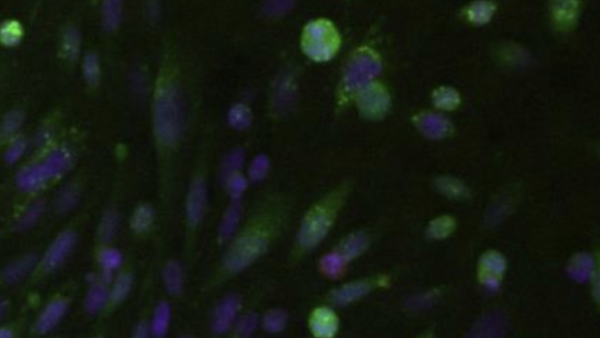
Mark Moasser, MD, has sorted out why HER2, the protein driving 1 in 5 breast cancers, is so hard to drug. He explains how the findings correct a naive way of envisioning how HER2 is shaped and how it works.
-
Claiming Abuse, Texas Tries To Prevent Gender-affirming Care for Trans Children
-
As Prescribed: Why Cardiologists Are Sounding the Alarm About Maternal Health During Black History Month
-
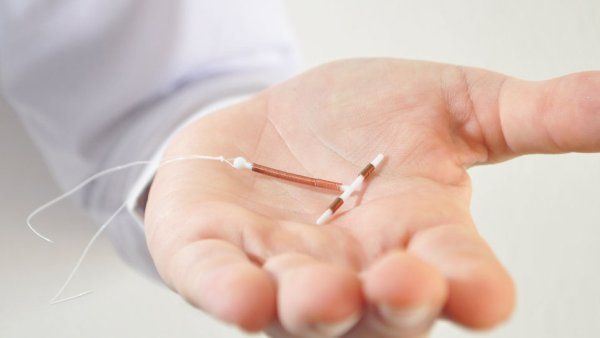
IUDs Tie Tubal Ligation for Pregnancy Prevention
-
Tubal Ligation No Better Than IUD at Preventing Pregnancy
When women's health researchers analyzed Medi-Cal data to see how two long-term contraceptives performed in the real world, they were surprised to find IUDs work at least as well as tubal ligation, while causing fewer side effects.