
Displaying 6361 - 6390 of 17007
-
-
Archive: Summit Brings Forth Ideas on Sustainability and Environmental Impact
In an effort to better address concerns about humans’ impact on the environment and to communicate ongoing efforts to improve the world in which we live, the UCSF Office of Sustainability held a “Health and Sustainability Summit” at the Mission Bay campus.

-
Archive: MAD: Scientists Shed Light on Braking Mechanisms in Cellular Signaling
A team of researchers studying a flowering plant has zeroed in on the way cells manage external signals to adapt to prevailing conditions, a capability that is essential for cells to survive in a fluctuating environment.

-
Archive: Rate of smokeless tobacco use in U.S. unchanged: CDC
-
Archive: Bay Area Scientists Use DNA Tests To Save Wisconsin Teen With ‘Bubble Boy’ Disease
-
Archive: Inside The New UCSF Benioff Children’s Hospital
-
Archive: A Diagnosis Just in Time
Joshua Osborn was fighting for his life against a mysterious ailment. With his options dwindling, a team at UCSF employed advanced DNA sequencing technology to track down the culprit.

-
Archive: 'Top Chef Duels' and 300 flying pizzas
-
Archive: Long telomeres may mean higher cancer risk, UCSF team says
-
Archive: Poor quality of life may affect teens’ diabetes management
-
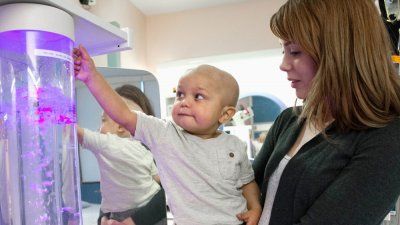
Archive: Hospital Sanctuary Aims to Soothe or Stimulate Young Patients’ Senses
The multisensory room at the new UCSF Benioff Children's Hospital San Francisco will offer young patients a soothing place when dealing with sensory regulation problems or pain.
-
Archive: For cancer specialists, disease can make them better doctors
-
Archive: UCSF Benioff Children’s Hospital Oakland to open pediatric clinic in San Ramon’s Bishop Ranch
-
Archive: Scientists Search for the Best Sleepers
-
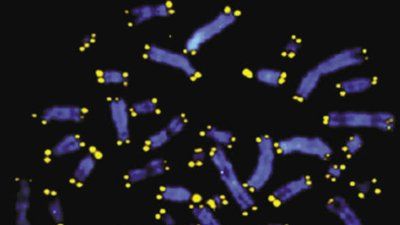
Archive: Longer Telomeres Linked to Risk of Brain Cancer
New genomic research led by UCSF scientists reveals that two common gene variants that lead to longer telomeres also significantly increase the risk of developing the deadly brain cancers known as gliomas.
-
Archive: Artificial Intelligence Raises New Hope for Cancer Patients
-
Archive: When it comes to body fat, beige is the new brown
-
Archive: Lower Asthma Risk Is Associated with Microbes in Infants’ Homes
Infants exposed to a diverse range of bacterial species in house dust during the first year of life appear to be less likely to develop asthma in early childhood, according to a new study conducted by UCSF researchers.
-
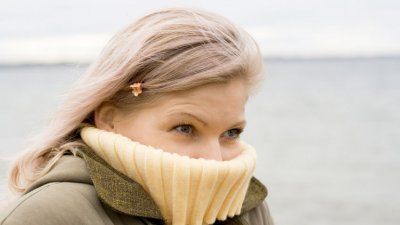
Archive: Fat Burning Triggered by Cold Weather May Suggest New Weight Loss Strategy
The calorie-burning triggered by cold temperatures can be achieved biochemically – without the chill – raising hopes for a weight-loss strategy focused on the immune system rather than the brain, according to a new UCSF study.
-
Archive: Faster DNA Sleuthing Saves Critically Ill Boy
A 14-year-old boy’s turnaround and quick recovery after mysteriously being stricken by brain-inflaming encephalitis shows that the newest generation of DNA analysis tools can be harnessed to reveal the cause of a life-threatening infection even when physicians have no suspects.
-
Archive: Pushing produce with food stamps could be win-win
-
Archive: Photos: Matthew Ouimet’s one-year anniversary of liver and kidney transplant at UCSF
-
Archive: UCSF Wins Gold, Silver in International CASE Awards
UCSF won gold and silver medals in an international contest from the Council for Advancement and Support of Education (CASE), which announced its Circle of Excellence awards Wednesday morning.

-
Archive: Single Dose of Antibiotic Found Effective in Quelling MRSA
-
Archive: In a First, Test of DNA Finds Root of Illness
-
Archive: Being Happy With Sugar
-
Archive: New York Times Conference Tackles Tomorrow's Health Challenges
The New York Times Health for Tomorrow conference, held at UCSF, featured experts from the University of California and across the country, addressing the changing landscape of health care.

-
Archive: Does Google Glass Have a Place in the Operating Room?
-
Archive: Can food stamps help improve diets, fight obesity and save money?
-
Archive: Health providers slowly embrace drug Truvada to prevent HIV