University of California San Francisco
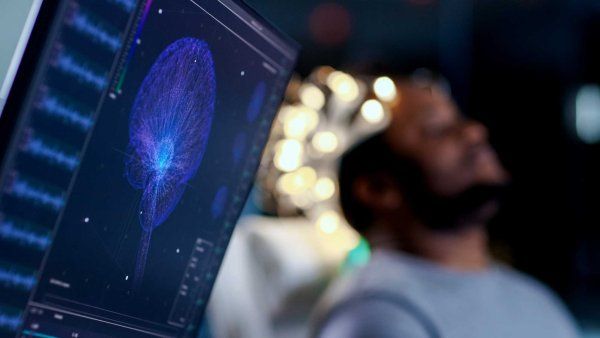
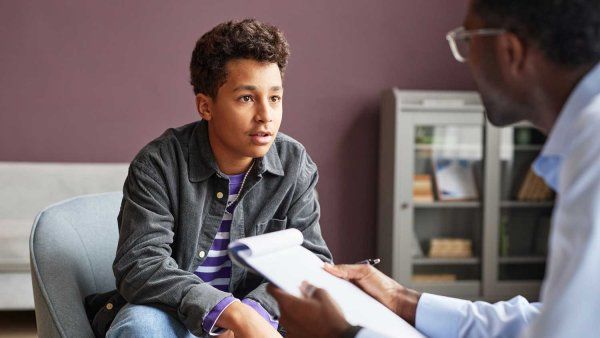
UCSF scientists are uncovering the brain mechanisms behind resilience to stress and exploring new, non-invasive treatments for depression through groundbreaking research in mice.
It’s been an incredible year at UCSF. You’ve led the way in research, education and patient care. You’ve celebrated innovative research and discovery. You’ve broken ground on projects that will last generations. In the end, we advanced our mission together.
Nearly 50 UCSF researchers have been named to Clarivate’s list of most influential scientists for 2024.
The National AIDS Memorial has honored Dan Bernal, UCSF vice chancellor for community and government relations, for his lifelong contributions to health equity and community service through HIV activism and advocacy.
Something is blooming above the Parnassus Heights campus – where scientists are accelerating research to treat the world’s most devastating diseases.
Drinking enough water can help with weight loss and prevent kidney stones, as well as migraines, urinary tract infections and low blood pressure.
Pediatric cardiac ICU nurse Kathleen Cinelli, RN, created the Hearts at Home Program, offering holistic care to UCSF Health patients and families beyond the hospital.
UCSF Benioff Children’s Hospital Oakland is enrolling patients in an innovative clinical trial that seeks to cure sickle cell disease. The trial is the first in the U.S. to apply non-viral CRISPR-Cas9 gene-editing technology in humans to directly correct the genetic mutation that causes the disease.
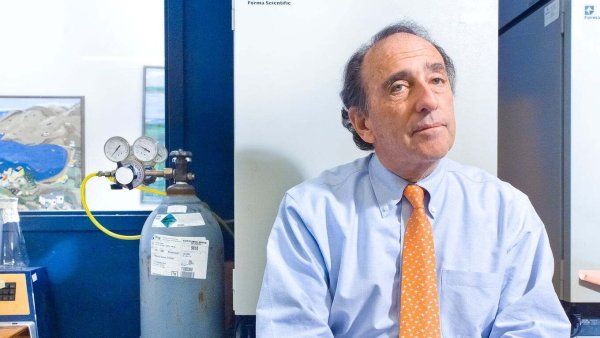
Defined as the product of mass and velocity, “momentum” is derived from physics. It also describes UC San Francisco’s journey in the past decade under Chancellor Sam Hawgood’s leadership. “When I
UC San Francisco is part of a new Northwest Region Innovation Corps (I-Corps) Hub funded by the National Science Foundation to train faculty and student entrepreneurs on how to commercialize their
The GRLN policy empowers individuals like Jae Rouse, promoting inclusivity and impacting personal lives.
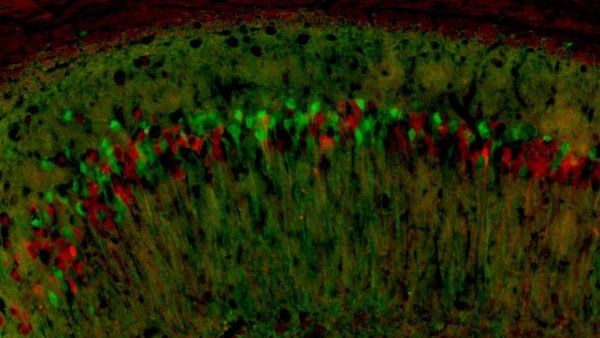
A technique involving the use of light pulses to prevent seizure-like activity in neurons could one day become a new, non-invasive treatment for epilepsy.
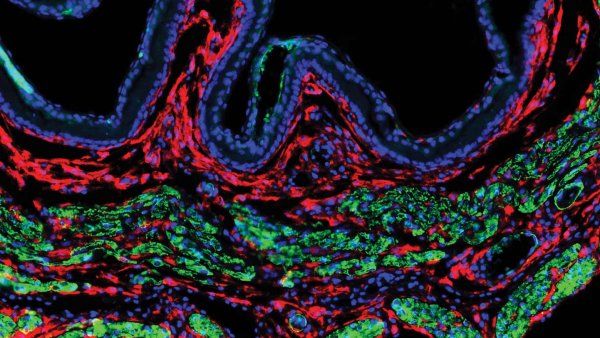
UCSF researchers develop customizable SNIPR sensors that activate engineered cells only near tumors, promising precise cancer therapies with minimal side effects.
An AI-based diagnostic system reveals cancerous tissue that may not otherwise be visible during brain tumor surgery. This enables neurosurgeons to remove it while the patient is still under anesthesia – or treat it afterwards with targeted therapies.
New drugs and therapies have become indispensable for treating an array of cancers. Unfortunately, they can also cause damage to the heart, a side effect that has led to the development of a new
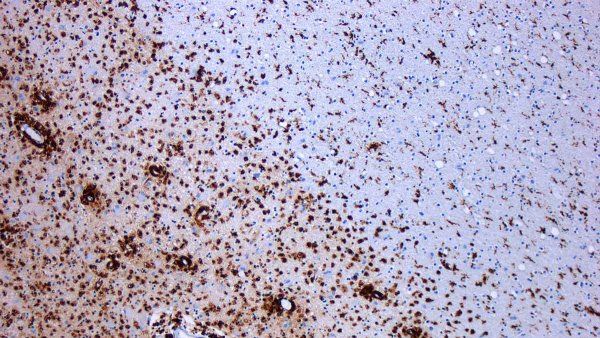
A decade-long effort has resulted in a new, rapid genomic test to diagnose rare infectious diseases in the brain and lungs.
Chancellor Hawgood will reflect on a decade of growth, innovation, and addressing disparities at UCSF in his State of the University address on November 21.
UCSF has received notice from two labor unions that they plan to hold a two-day strike on the UCSF campus on Nov. 20 and 21, 2024. Although most health care operations are expected to resume, some hospital and campus services may be delayed.
Although rectal cancer is a life-threatening disease, it is highly curable in its early stages. Depending on the location and state of the cancer, surgery may be required. To avoid life-altering
In June, UCSF treated its first patient with E-SYNC, its first homegrown CAR-T therapy, one of the first to show promise in treating certain types of brain cancers. This story builds on previous coverage to provide an overview of CAR-T therapy, accessibility and future horizons of applications in cancer and other illnesses like HIV.