Archive: Robert Wachter Appointed as New Chair of Department of Medicine
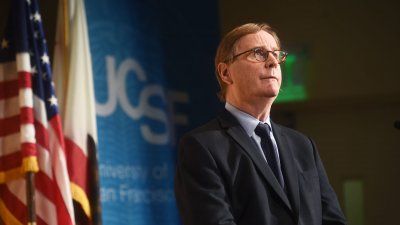
Dean Talmadge E. King Jr. announced the appointment of Robert Wachter as the new chair of the UCSF Department of Medicine.
University of California San Francisco
Dean Talmadge E. King Jr. announced the appointment of Robert Wachter as the new chair of the UCSF Department of Medicine.
UCSF is launching a new film series to raise awareness of disabilities as part of the University’s efforts to foster equity, inclusion and appreciation of diversity of all kinds.
Ophir Klein has been awarded one of two inaugural grants from the National Institute of Dental and Craniofacial Research that are meant to encourage long-term ambitious and innovative research.
UCSF is helping to launch a landmark effort by the NIH to engage 1 million U.S. participants in research aimed at preventing and treating disease based on individual differences in lifestyle, environment and genetics.
Polina Ilieva, who oversees UCSF Archives and Special Collections, is working to preserve the items in the collection, to make them accessible to internal and external audiences, and to move toward digitizing the entire collection of artifacts.
Watch the highlights from some of UCSF's foremost scientists who participated in the Dreamforce conference this year.
UCSF is part of a University of California partnership with the Boys & Girls Clubs of America to bring an Early Academic Outreach Program to several cities around the state.
Melvin Malcolm Grumbach, a leading figure in the field of pediatric endocrinology who is credited with making the UCSF Department of Pediatrics one of the top programs in the world, died Oct. 4 at the age of 90.
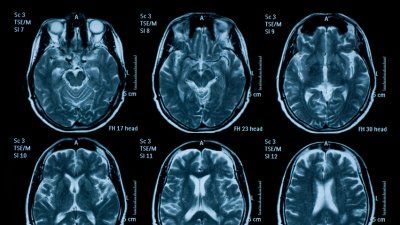
Researchers at UCSF have discovered a previously unknown mass migration of inhibitory neurons into the brain’s frontal cortex during the first few months after birth.
Lenore Pereira, a virologist and professor in School of Dentistry’s Department of Cell and Tissue Biology, is in the middle of crucial research to understand how the mosquito-borne Zika virus harms the babies of women infected during pregnancy.
Using a mouse model of multiple sclerosis, UCSF scientists demonstrated that regenerating myelin can both protect neurons from damage and restore lost function.
Years of research have shown that trauma and adverse events in childhood can put a person at an elevated risk for a wide range of physical and mental health problems across their life span. But the scope and significance of that impact – and how to reverse it – is just beginning to come into focus.
UCSF’s investment and involvement in the community has continued to grow, and Chancellor Sam Hawgood spoke Tuesday about the tangible impacts the University has made on San Francisco and the Bay Area.
Major childhood psychological and social stressors, increase the odds of shorter telomere length in adulthood, according to a study led by researchers at UC San Francisco.
The UCSF Helen Diller Family Comprehensive Cancer Center is one of only 12 academic centers in the U.S. joining a large national precision medicine study that aims to improve survival for pancreatic cancer patients.
The National Institutes of Health has awarded grants to seven UCSF scientists to pursue innovative approaches to major contemporary challenges in biomedical research.
UCSF is a driving force of the San Francisco Bay Area economy, with an $8.9 billion economic impact that sustains nearly 43,000 jobs throughout the region, according to a new analysis.
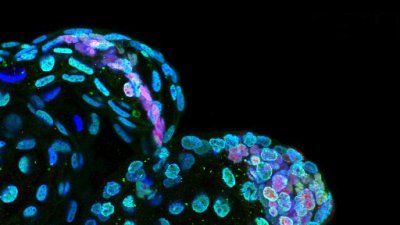
UCSF scientists have engineered human immune cells that can precisely locate diseased cells anywhere in the body and execute a wide range of customizable responses, including the delivery of drugs or other therapeutic payloads directly to tumors or other unhealthy tissues.
This year brought 933 new students to UC San Francisco – most of whom celebrated with white coat ceremonies and other happenings across campus. Browse the photos in the slideshow to see this year’s
Lawrence Green will receive the Sedgwick Memorial Medal for Distinguished Service in Public Health, the oldest and most prestigious award bestowed by the American Public Health Association.
Persistent poverty in young adulthood and midlife may elevate one’s risk for lower cognitive function by age 50.