Brainy Bridge
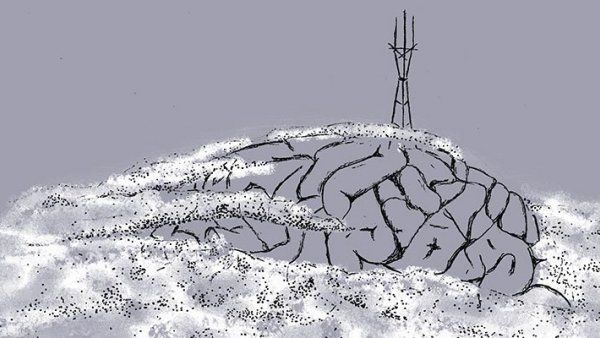
Neuroscientist Ashley Smart shares the wonders of the brain through art.
University of California San Francisco

Neuroscientist Ashley Smart shares the wonders of the brain through art.
School of Medicine Dean Talmadge E. King, Jr. announced the appointment of Amy P. Murtha as new chair of the UCSF Department of Obstetrics, Gynecology and Reproductive Sciences, effective May 1, 2018.
Atul Butte shares why harnessing the collective power of UC’s systemwide biomedical data will someday enable precise, targeted, accountable care in California and around the world.
Amanda Woerman explores how basic science fuels efforts to end trauma-induced brain disease.
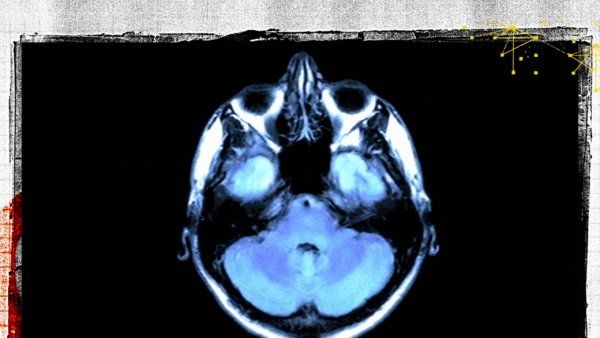
More than half of TBI patients are over 65 – research hasn’t caught up to the demographic shift.
Kristine Yaffe shares what scientists are learning about the long-term consequences of traumatic brain injury.
Millions of people suffer traumatic brain injuries each year, but there remains no effective treatment.
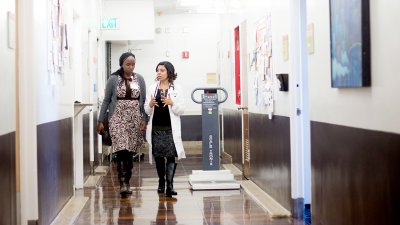
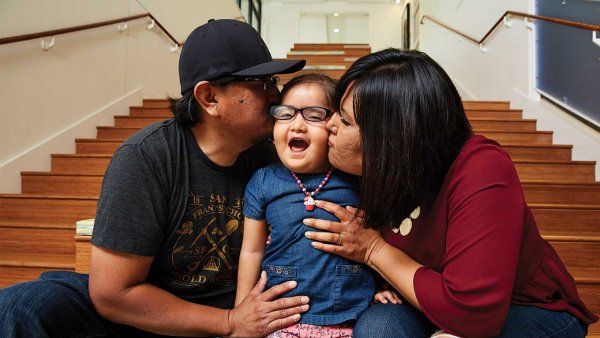
Severe combined immunodeficiency (SCID) if undetected can be lethal by the time a child turns 1 year old. UCSF researchers created a screening test for SCID, which impacts Navajo families at a far higher rate than the rest of the population.
UCSF: The Campaign is taking on the world’s most complex health challenges, powered by an exceptional community of mavericks, innovators, and advocates. Together we will make the Bay Area and our world healthier for all.
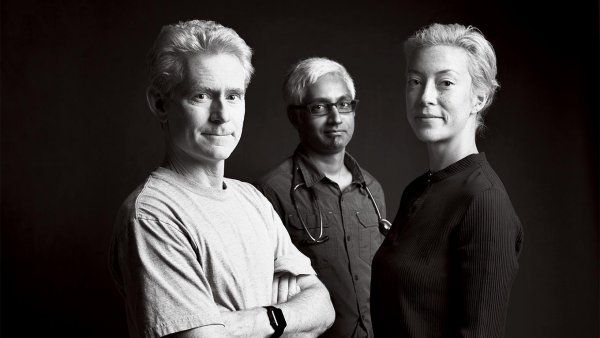
UCSF physician-scientists have developed a test that can predict how patients with juvenile myelomonocytic leukemia will respond to treatment.
An easy-to-use tool to predict the likelihood of a child with kidney disease progressing to kidney failure has a high degree of accuracy.

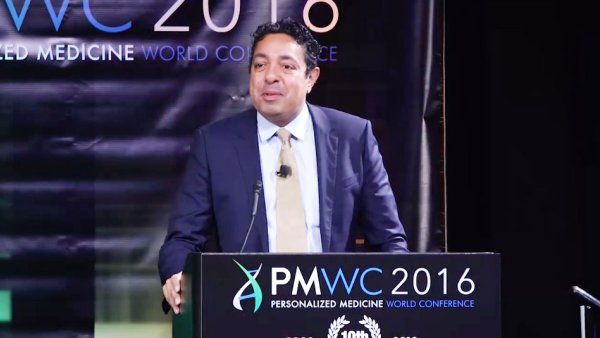
For the third consecutive year, UCSF is co-sponsoring the Precision Medicine World Conference in January 2018 to share the latest in the rapidly evolving space.
UCSF joined eight research universities and a major cancer institute in announcing plans to give would-be life scientists clear, standardized data on graduate school admissions, education and training opportunities, and career prospects.

Researchers said all the groups in the study – black, white and Hispanic – reported high rates of discrimination for one reason or another.
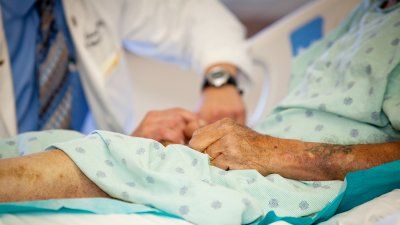
See a collection of photos that highlights moments and milestones of 2017 that include research, patient care, community and education.
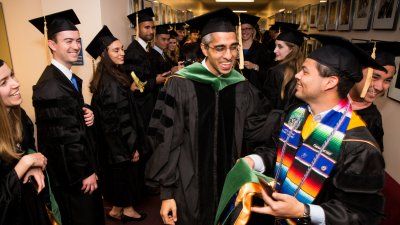
Heading into the new year, political issues in Washington, D.C., and in California have the potential to disrupt scientific funding, limit the flow of new scientists and clinicians through immigration changes, and shake up the health care system.

Whether you are seeing them for the first time or coming back for another look, check out the most popular scientific stories from UC San Francisco from the past year.
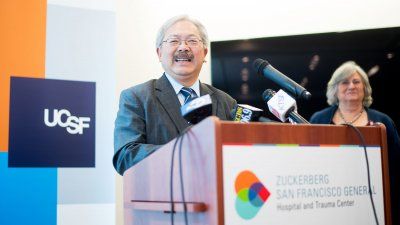
UCSF mourns the loss of Mayor Edwin Lee, who partnered with the University on a number of initiatives that improved the city’s health access and economic vitality.
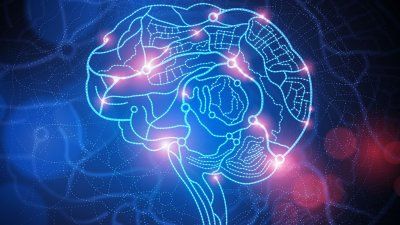
UCSF have taken the first step toward a comprehensive atlas of gene expression in cells across the developing human brain.
School of Medicine Dean Talmadge E. King, Jr. announced the appointment of Christopher Hess as the new chair of the UCSF Department of Radiology and Biomedical Imaging.
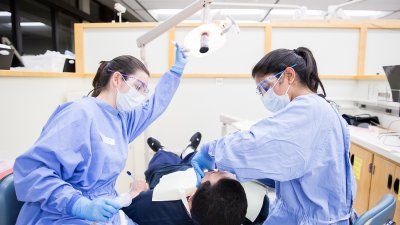
UCSF’s Dental Center is in the midst of a transformation. Now operating as a fully integrated dental clinical enterprise, the center is setting a new bar for patient care and service in the world of oral health care.
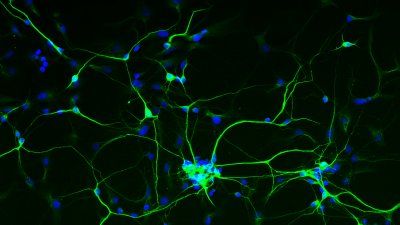
Researchers at UCSF have developed a new genetic model of autism, using neurons created in the lab from patients’ own skin cells.
Jennifer P. Arnett, a primary architect of UCSF's recently announced $5 billion fundraising initiative, has been named Vice Chancellor of University Development and Alumni Relations, effective January 1, 2018.
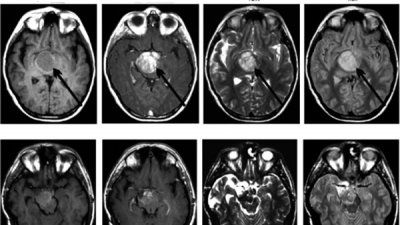
Children with an extremely deadly form of brain cancer might benefit from a new treatment that aims to direct an immune response against a mutant form of a protein found exclusively on cancer cells.
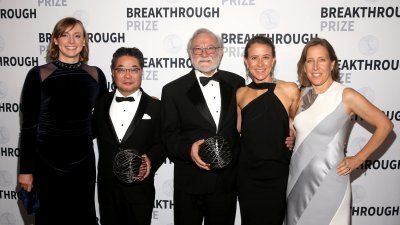
Peter Walter, PhD, professor of biochemistry and biophysics at UCSF, has been named winner of a 2018 Breakthrough Prize in Life Sciences, for his research on a biological mechanism that normally protects cells, but can cause disease if not functioning properly.
Much of San Francisco’s progress in fighting new HIV infections can likely be contributed to Getting to Zero – a citywide collaboration to end HIV transmission that was co-founded by UCSF.