
Displaying 2641 - 2670 of 17006
-
-
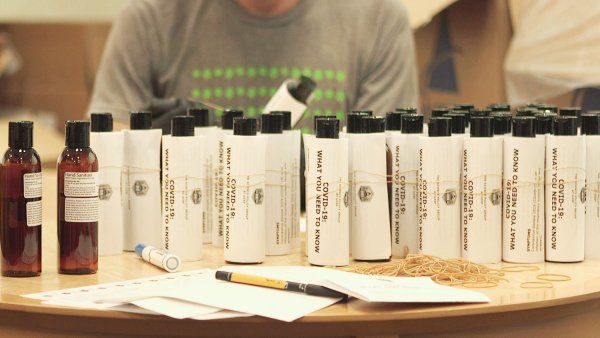
Archive: UCSF Team of Scientists Produces, Distributes Hand Sanitizer for Bay Area's Incarcerated, Most Vulnerable Populations
The Science Policy Group at UCSF has initiated a project to provide alcohol-based hand sanitizer to incarcerated populations, as well as people living in public or transitional housing or experiencing homelessness, with plans to distribute 15,000 bottles.
-
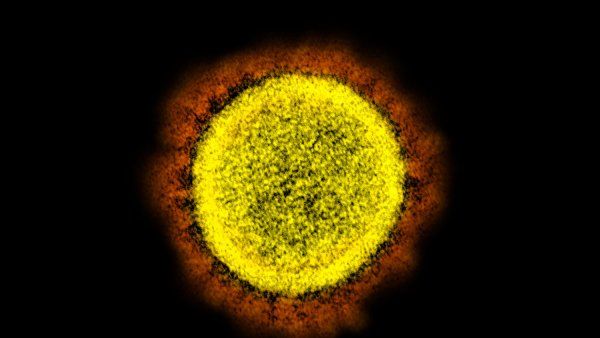
Archive: New CRISPR-Based COVID-19 Test Kit Can Diagnose Infection in Less Than an Hour
While the widely used coronavirus PCR tests take about four hours to produce a result from a respiratory sample, the new DETECTR test developed by UCSF scientists takes only 45 minutes, rapidly accelerating the pace of diagnosis.
-
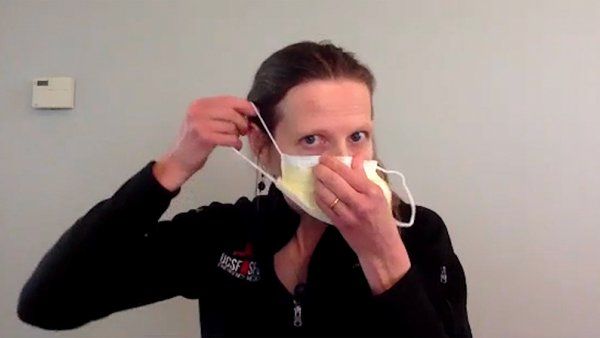
Archive: Video: Emergency Care Doctor Explains When to Wear a Face Mask, How to Do It the Right Way
We asked UCSF emergency care physician Jeanne Noble to explain why everyone should wear a face mask and to demonstrate step-by-step how to safely don and doff masks of different types.
-
Archive: More Steps Needed to Manage Current Care of Older Adults
The COVID-19 pandemic is a critical time to think about how best to manage the care of older adults, both for their sake and for the near- and longer-term costs and stresses to the health care system, according to a new commentary by a UCSF clinician.
-
Archive: From Apps to Expert Advice, Invaluable Resources for Well-Being During the Coronavirus Pandemic
To help during these times, UCSF psychologist Elissa Epel worked with colleagues across the UCSF Department of Psychiatry to create a webpage of mental-health resources.

-
Archive: UCSF Health Care Workers to Serve in New York City
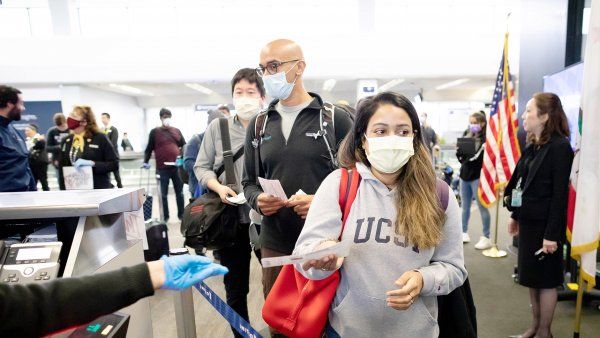
A team of 20 UCSF health care workers – 12 physicians and eight nurses – will travel to New York City to begin a one month voluntary assignment.
-
Archive: Confronting COVID-19: Donors’ Generosity Put to Use at Lightning Speed Across UCSF
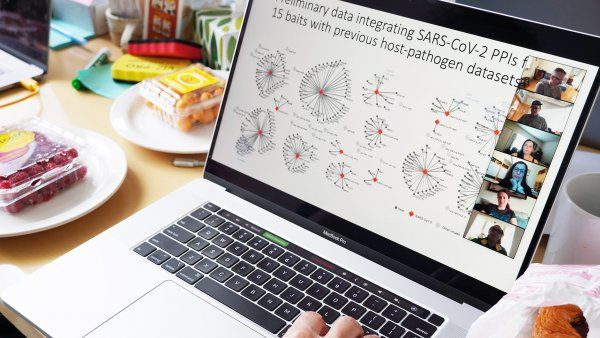
Vigorously embracing their leadership roles, our faculty members are coming together to tackle this public health crisis from all angles.
-
Archive: Air Pollution and Smoking May Increase Coronavirus Risks, Worsen Outcomes
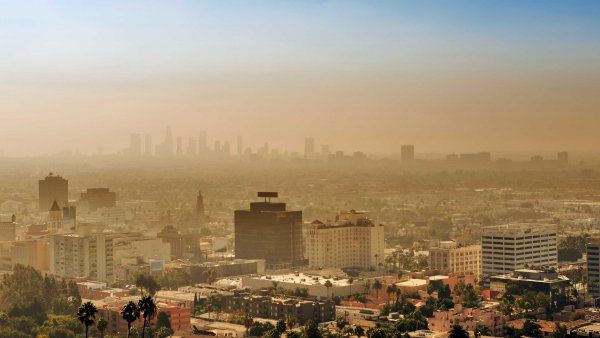
Lung damage is the cause of most COVID-19 deaths, and lung damage also is a public health concern for smokers and anybody living under polluted skies.
-
Archive: Virus Testing Is Fine, but It's Not a Panacea
-
Archive: Could a Blood Test for Coronavirus Antibodies Get California Back to Normal? Lots of Questions Remain
-
Archive: How San Francisco Plans to Trace Every Coronavirus Case and Contact
-
Archive: New Research Links Air Pollution to Higher Coronavirus Death Rates
-
Archive: UCSF Lab Accelerates Processing of Coronavirus Tests in Bay Area, All for No Cost
-
Archive: UCSF to Offer Free COVID-19 Test Analysis, Results to Public Health Departments of Nine Bay Area Counties
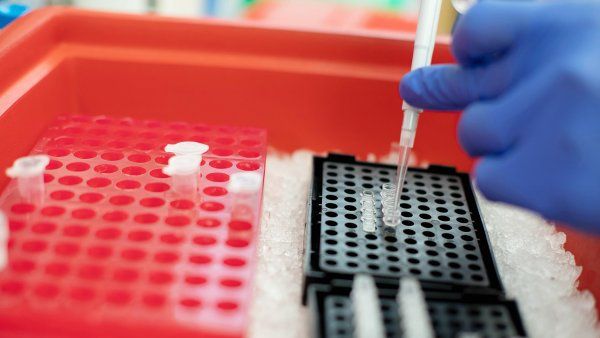
UCSF will offer COVID-19 sample analysis for 30 days, free of charge, to all nine Bay Area counties’ Departments of Public Health.
-
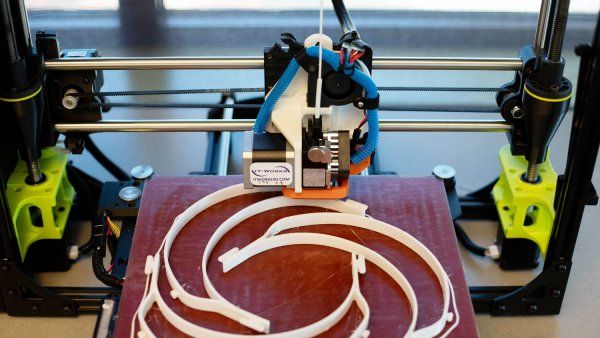
Archive: Lifesaving Face Shields for Health Care Workers are Newest 3D-Printing Project at UCSF
To meet the pressing need for personal protective equipment for frontline health care workers, a multidisciplinary team has mobilized UCSF’s 3D-printing infrastructure to engineer and produce thousands of face shields.
-
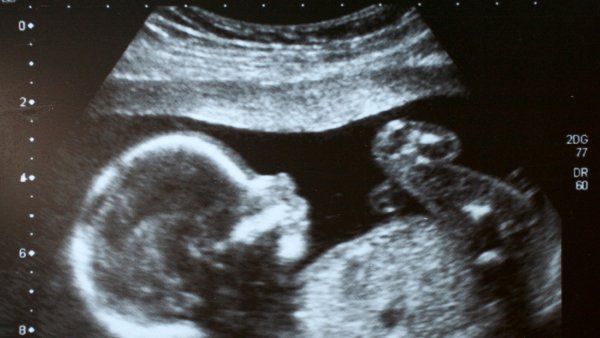
Archive: What We Know and Don’t Know About Coronavirus and Pregnancy
Pregnant women are at higher risk for many infections, but the risks of COVID-19 to mother and baby are not yet clear. UCSF experts share what we know and don’t know about COVID-19’s effects on pregnancy, the possibility of in utero transmission, and advice for pregnant women.
-
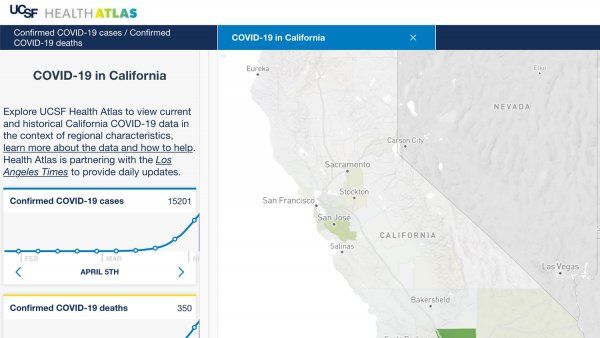
Archive: New UCSF Health Atlas Visualizes Population Health, COVID-19 Cases
-
Archive: How SF Battle With HIV/AIDS Shaped Today's Coronavirus Response
-
Archive: Coronavirus Twitter: These Bay Area Doctors Are Educating the Public and Becoming Social Media Stars
-
Archive: Big Guns Fighting the Coronavirus
-
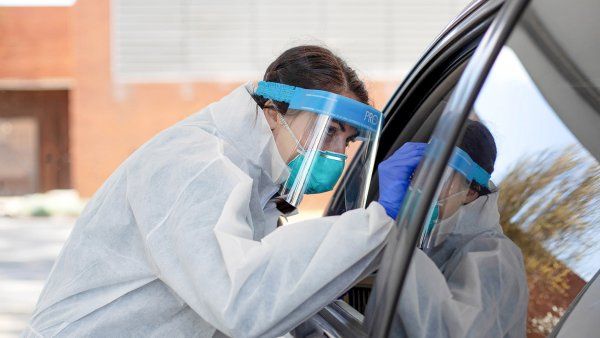
Archive: As Mask Shortages Loom, Nationwide Team Assembles Best Practices for Decontamination and Reuse
To provide officials with a set of best practices for mask decontamination, a nationwide team has launched N95decon.org, a website that distills a broad range of relevant scientific literature.
-
Archive: Statement on UCSF’s Specialized ‘ACU’ Medical Structures
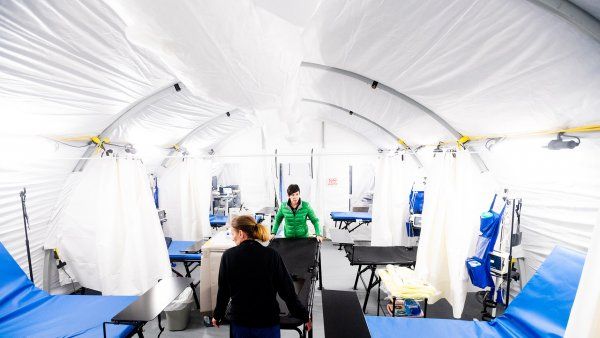
As part of UCSF Health’s ongoing preparation for a potential increase in patients arriving at our hospitals due to COVID-19, we have erected specialized structures known as Accelerated Care Units outside our hospitals at Parnassus Heights and Mission Bay.
-
Archive: UCSF Remains Top Public Recipient of NIH Funding for 13th Straight Year
UCSF was awarded nearly 1,300 NIH grants and contracts, amounting to more than $684.4 million in funding.
-
Archive: $2M Grant Will Galvanize COVID-19 Response at Zuckerberg San Francisco General Hospital
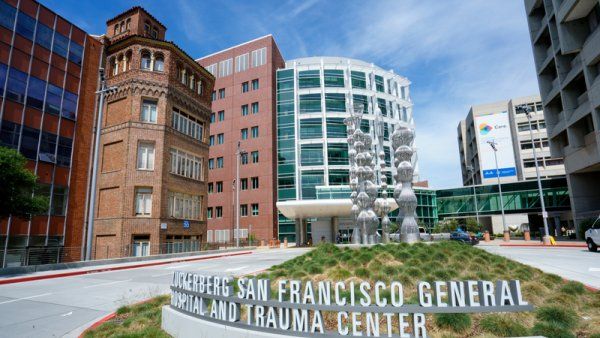
To help combat the public health crisis presented by the COVID-19 pandemic, the Heising-Simons Foundation has made a $2 million grant to UCSF to establish a COVID Response Initiative at UCSF partner hospital Zuckerberg San Francisco General Hospital and Trauma Center.
-
Archive: So You Tested Positive for COVID-19. How Long Should You Isolate Yourself?
-
Archive: How Nurses Are Supporting the COVID-19 Response
Alumni from the UCSF School of Nursing are playing critical roles amid the outbreak of the novel coronavirus, which causes the disease COVID-19.
-
Archive: New COVID-19 ‘Citizen Science’ Initiative Lets Any Adult with a Smartphone Help to Fight Coronavirus
The online study would try to help researchers gain insight into how the virus is spreading and identify ways to predict and reduce the number of new infections.

-
Archive: 8 strains of the coronavirus are circling the globe. Here's what clues they're giving scientists
-
Archive: University Grad Students Step Up To Fill U.S. Coronavirus Testing Void